- Home
- Education as a Tool
Education as a Tool
Vinay Jani's experience with Epilepsy
Education as a Tool
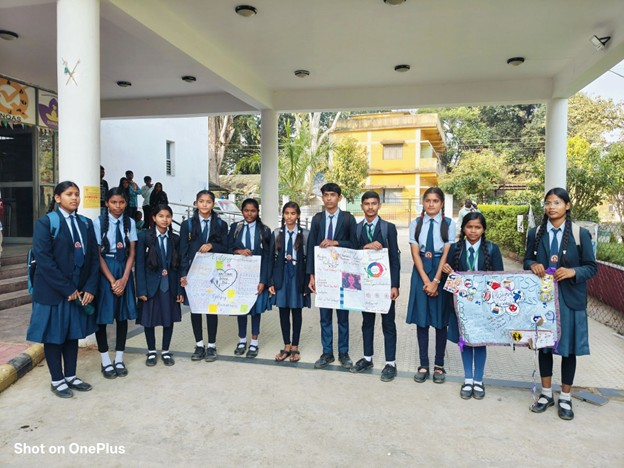
Education as a Tool to Break Social Stigma for Epilepsy
Education is not limited to the four walls of a classroom or the pursuit of degrees. It is a lifelong process that shapes attitudes, dismantles ignorance, and builds values of empathy and inclusivity. When society chooses to educate itself about health conditions such as epilepsy, it moves a step closer to replacing myths with truth and stigma with acceptance. For millions of people living with epilepsy across the world, this shift can mean the difference between isolation and belonging, between being silenced and being empowered.
The stigma around epilepsy often stems from a lack of awareness. Misconceptions such as epilepsy being caused by possession, curses, or as punishment for past deeds continue to exist even today in many cultures. Such beliefs create fear, distance, and discrimination. They lead to children being excluded from classrooms, adults being denied employment, and individuals facing rejection in marriage or social relationships. This is where the transformative power of education becomes evident. By spreading correct knowledge about epilepsy as a neurological condition, education can dissolve fear and open pathways to empathy.
The impact of education goes beyond facts. It encourages empathy by helping people understand the lived experiences of those with epilepsy. A teacher who understands seizure first aid can ensure that a child is safe and supported instead of stigmatized. A class-mate who has learned about epilepsy in school is more likely to offer a helping hand than to isolate a classmate. An employer who has attended awareness workshops can focus on an employee’s skills rather than their diagnosis. With each informed individual, a ripple effect of acceptance spreads through society.
Examples from communities around the world demonstrate this. In certain rural areas where community health workers integrated epilepsy awareness into school sessions, the results were transformative. Teachers stopped punishing students for seizures, parents began sending their children to school without fear, and peers shifted from mockery to support. The simple act of sharing knowledge turned classrooms into safe spaces. Similarly, in urban settings, universities that invited people with epilepsy to share their stories witnessed a powerful change – students no longer saw epilepsy as a mystery or a barrier but as a condition that could be understood and managed. These examples remind us that education is not just about textbooks, but about human connection and social change.
To embed this change at a larger scale, certain steps are essential. Educational curricula must include basic health literacy covering epilepsy and other neurological conditions. Peer learning, storytelling, and interactive sessions can help normalize conversations around epilepsy and reduce hesitation in speaking about it. Beyond schools, community education campaigns – through workshops, media, and digital platforms – can challenge generational myths and bring families, workplaces, and local leaders into the conversation. Importantly, education should not only target children but adults as well, because stigma often comes from family or societal attitudes rather than peers alone.
Ultimately, education is the strongest antidote to stigma. Knowledge replaces fear, empathy replaces prejudice, and inclusivity replaces exclusion. By making epilepsy a part of mainstream education and community learning, we can create a world where no child drops out of school, no young adult loses an opportunity, and no family hides their loved one due to stigma. Education, in its truest form, empowers us to see beyond myths and to recognize the dignity, abilities, and potential of every individual with epilepsy.
Approval code: IN-DA-2500024